Business Insurance
The Future of Dental Insurance: Predictions for 2030
Author:Mike Fakunle
|
Released:October 28, 2025
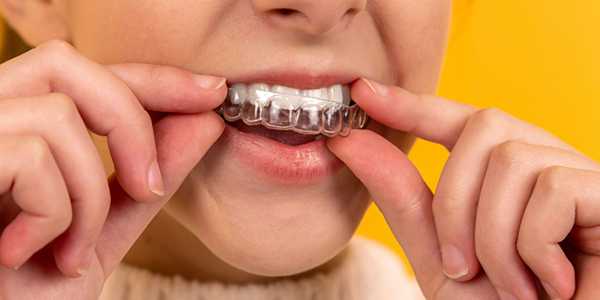
What dental care will look like is unrecognizable from what it is today — by 2030. Imagine entering a dental office where robots help the dentist. Everything is 3-D printed, and your toothbrush is personalized to protect rather than harm your teeth. Supporting these shifts, dental insurance will transform to align with new technologies, changing patient needs and worldwide health objectives. This story looks at shifts shaping the future of dental coverage and the impact on all consumers.
Bigger Market, Bigger Obstacles
The dental insurance business is booming. Experts say it will be worth almost $400 billion worldwide by 2030. This growth is fueled by increasing demand for dental care, higher treatment costs, and ageing populations requiring continuing care. However, increased costs could make insurance less affordable. Many already have difficulty making premium payments or forgoing coverage altogether. Employers and governments must find ways to balance rising expenses with accessibility.
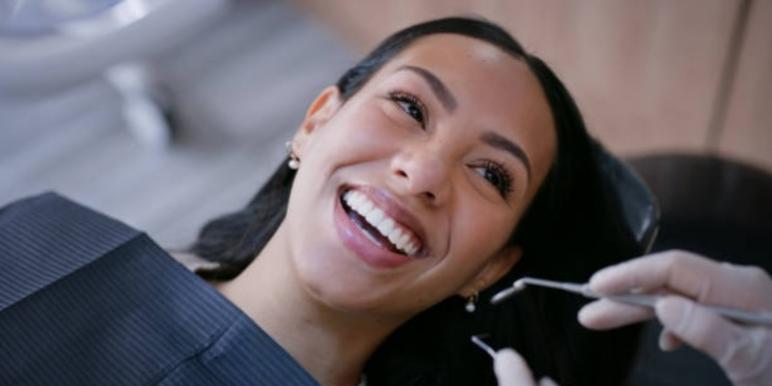
Tech Takeover: Care That’s Faster and Smarter
Technology will transform the supply and insurance of dental care. Digital tools, like 3D scanners and printers, will allow dentists to make crowns, bridges, and implants in a single visit. This eliminates the need for multiple visits, saving time and money. Smart toothbrushes that sync with apps will record brushing habits and transmit the data to dentists, allowing problems to be caught early. Patients who use these tools could be rewarded by insurance plans through reduced premiums or discounts.
AI, too, is likely to be an influential factor. X-rays can be scrutinized in seconds, and cavities and gum disease can be eyeballed instantly by a team of AI systems running them for you. It could potentially speed up diagnoses and lower the risk of making errors. Insurers could cover AI-driven checkups as a typical benefit, making preventive care more efficient.
Personalized Plans for Every Smile
Dental insurance will cater to individual needs by 2030. Companies will use data from wearable devices, genetic tests, and even health records to develop personalized plans. For instance, a patient with a family history of gum disease may require more coverage for cleanings. Others with a low risk of cavities could pay less for basic checkups.
Tele-dentistry will also expand. Home visits enable patients to consult dentists from home, which is important for rural areas. Insurance companies are expected to pay for such services as part of an overall effort to minimize in-person visits and rein in costs.

Sustainability in Dentistry
The future of dental care is not just about tech — it’s about saving the planet. Earth-friendly habits, such as biodegradable toothbrushes or recyclable packaging, will be the norm. Dental practices could be powered by renewable sources or cut water waste. Insurers might provide incentives to select green providers or to employ environmentally conservative products.
Combating Oral Health Inequity
Disparities in dental care accessibility persist. There are also significant treatment barriers for low-income families, rural communities, and older people. By 2030, advocacy groups and governments will demand policies to close these gaps. More people could receive care if Medicaid coverage were expanded, mobile clinics were made available, or school-based programs were offered. Insurers could work with nonprofits to administer sliding-scale fees or free screenings.
Higher Deductibles, Smarter Spending
Employers are also designing dental plans differently. Many are now offering plans with higher deductibles but lower monthly costs. This passes more responsibility on to patients but offers them some flexibility. To keep costs down, insurers will promote preventive care. For instance, they can pay 100% for cleanings but more—say 50%—for complex procedures.
Global Goals for Oral Health
The World Health Organization (WHO) has ambitious goals for 2030 regarding child caries and access to care. Efforts in countries will concentrate on education, fluoride treatments, and policies that deter sugary foods. Insurers will contribute to these objectives by paying for prevention services and underwriting community programs.
Preparing for a Brighter Smile in 2030
It will be an innovative, inclusive and sustainable future for dental insurance in 2030. Patients will enjoy lightning-fast treatments, custom care plans and high-tech patient care. But, challenges such as affordability and equity will necessitate innovative ideas. By being informed and walking socio-oral action for change, everyone can contribute to a future where a healthy smile is possible.
You May Like
-

-
Health Insurance
Top Health Insurance Companies In 2025
-
Travel Insurance
Top 7 Travel Insurance Companies Reviewed
-
Travel Insurance
Travel Insurance Costs: What Affects The Price?
-
Dental Insurance
Orthodontic Coverage Secrets: How to Get Braces Paid For
-
Health Insurance
What is a Health Insurance Broker & When Should You Use One?